Beyond the Guidebooks, Beyond the Crowds
Step away from the tourist trail and discover forgotten temples, ancient legends, hidden shrines, and sacred places that have stood quietly for hundreds, and sometimes thousands, of years.
Step away from the tourist trail and discover forgotten temples, ancient legends, hidden shrines, and sacred places that have stood quietly for hundreds, and sometimes thousands, of years.
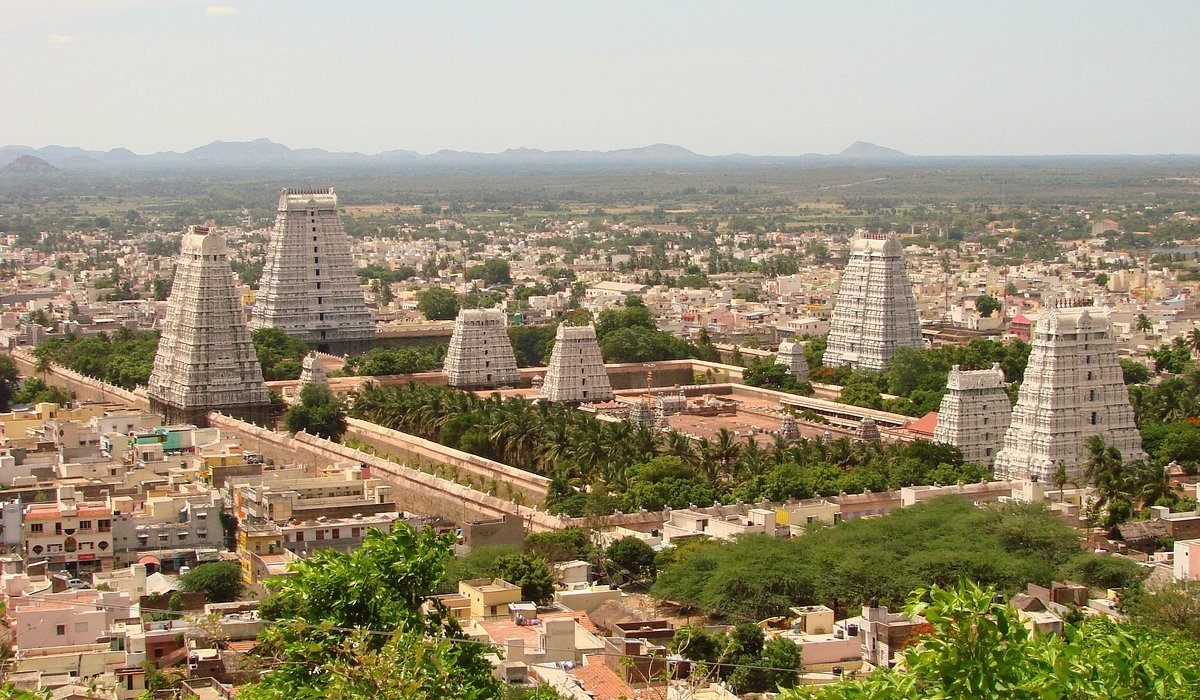
Vanakkam, I am Karthik! Most travelers arrive in Tiruvannamalai to visit Arunachaleswarar Temple, Ramanashramam, and Arunachala Hill. While those landmarks are deeply special, an entire world of ancient temples remains hidden just beyond them—nestled in surrounding villages, forests, and farmlands. This is a side of Tiruvannamalai where history is alive and centuries-old traditions thrive far away from commercial tourism and heavy crowds. If you are looking for an authentic experience of Tamil Nadu’s spiritual culture rather than a typical sightseeing tour, I invite you to join me on this genuine journey of discovery.
For the past 15 years, I have dedicated countless hours to exploring the rural heartlands and villages surrounding Tiruvannamalai. This journey has led me to remarkable, forgotten temples that stay completely hidden from standard travel itineraries. Whether tucked away deep within a village, standing peacefully by a lakeside, or sheltered by forests and hills, these sacred sites are known only to local communities. Every temple possesses a spirit and a story entirely its own—treasures of Tamil Nadu's living history that I cannot wait to show you.
Duration: Full Day (Approx 10-12 Hrs)
Difficulty: Moderate to Hard
Best Time: Oct to March (Early morning start)
Includes: Guide, Water, Packed Lunch
Chat with Karthik directly to check availability and specific requirements for this trek.
WhatsApp Chat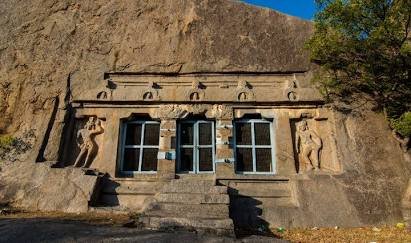
Located near Gingee in the Villupuram district of Tamil Nadu, the Satrumalla Cave Temple at Dalavanur is an extraordinary 7th-century rock-cut monument commissioned by the famous Pallava king Mahendravarman I. Dedicated to Lord Shiva as Satrumallesvara, this shrine is carved directly into a natural granite hillock and features detailed pillar carvings, dynamic dwarapalas (door guardians), and ancient Grantha and Tamil inscriptions. Representing a critical historic transition from perishable building materials to enduring stone architecture, the site remains one of the finest surviving examples of early Pallava artistic craftsmanship and heritage.
.jpg)
Carved in the early 7th century under the patronage of Pallava king Mahendravarman I, the Mandagapattu Rock-Cut Temple in Villupuram district is celebrated as the earliest stone monument in Tamil Nadu. Dedicated to the Trimurti—Brahma, Shiva, and Vishnu—this shrine features heavy pillars, sculpted dwarapalas (door guardians), and a famous Sanskrit inscription where the king proudly declares creating a temple without using timber, lime, brick, or metal. Marking a legendary turning point in South Indian heritage, Mandagapattu laid the foundation for the grand rock-cut and free-standing stone temples that followed throughout the region.
.jpg)
Perched atop a small hillock in Panamalai in Tamil Nadu's Villupuram district, the Talagirisvara Temple is a landmark 8th-century structural stone temple built during the reign of Pallava king Narasimhavarman II (Rajasimha). Dedicated to Lord Shiva, this shrine marks a key evolution from rock-cut cave temples to free-standing sandstone architecture, featuring a stepped vimana tower, intricate carvings, and famous rare traces of original Pallava-era frescoes—including a celebrated painting of Goddess Parvati.
These sacred places are truly hidden treasures—they do not appear on popular travel websites, and many are accessible only through local knowledge and deep community connections. Having explored this region for over 15 years, I know exactly where these temples are located, how to navigate the paths to reach them, and the unique stories that make each one special. My goal is to take you beyond the ordinary tourist routes and show you a side of Tamil Nadu that few travelers ever get to experience. This is not just a tour; it is a genuine journey into the living heritage of South India.